
How long do I have to report damaged baggage?
Why a damaged bag carries its own short deadline, how the airport report and the written claim fit together, what counts as normal wear, what the contract of carriage excludes and when filing is not worth it.

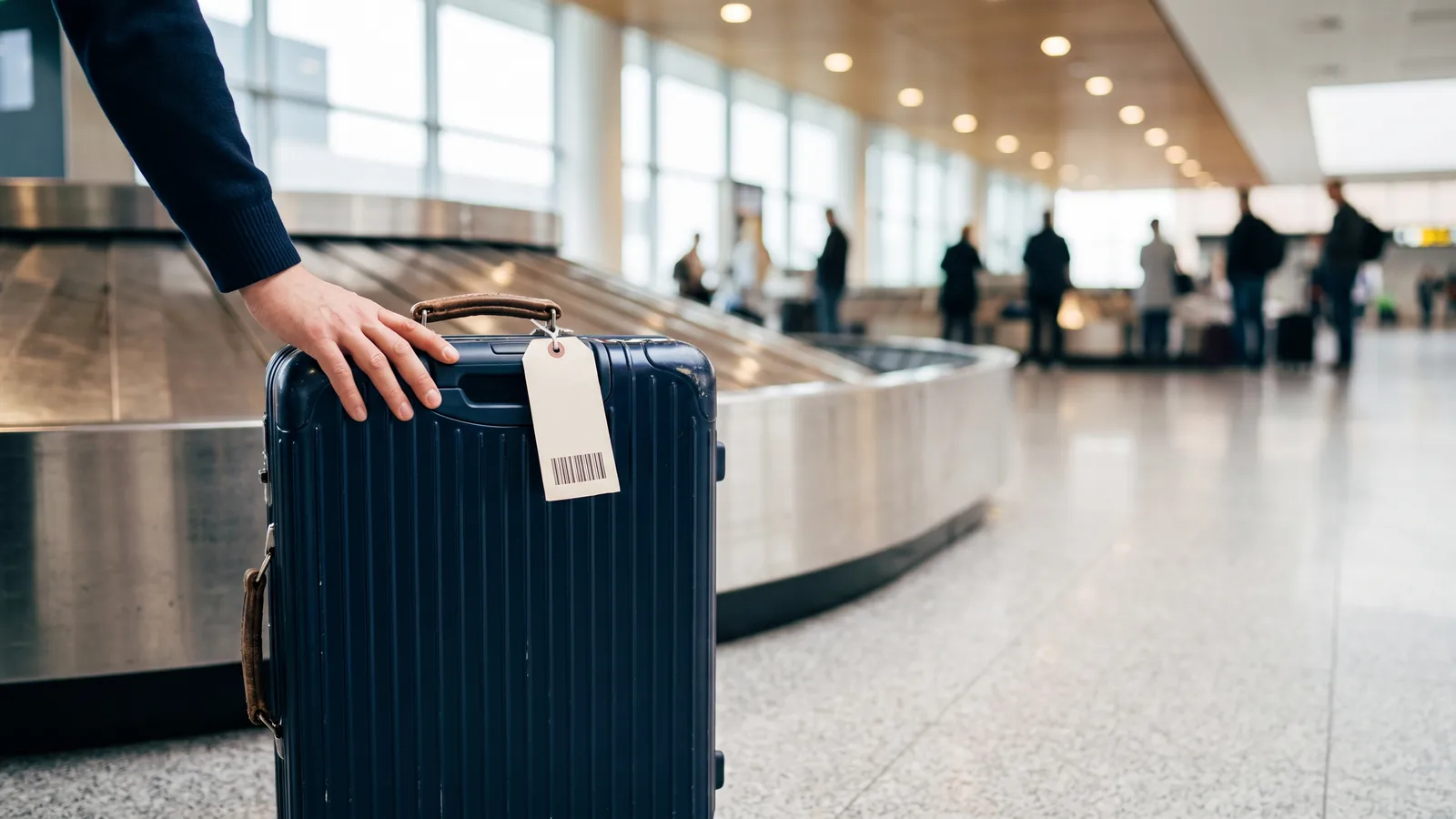 Illustrative image, AI-generated
At a glance#
| Step | Deadline | Form |
|---|---|---|
| Report at the airport | on arrival | in person, with a file |
| Secure the file reference | at the report | photograph of the report |
| Written claim | a few days from handover | in writing, with photos |
| Keep the bag | until the case closes | inspection possible |
| Repair or replacement | after review | depreciated value on replacement |
| Review a denial | after the decision | request the reason |
Why damaged baggage has its own deadline#
A damaged bag looks like a small problem and is procedurally the strictest case in baggage law. The window is short, the burden of proof sits with the traveller, and the line to normal wear is blurry. Handling all three at the airport wins the case before it starts. It is also the case with the simplest evidence: a photo at the belt, a report at the desk and a written claim within a few days are enough, and the claim then stands.
Delayed and damaged baggage are reported through the same desk and handled under different rules, and the damage deadline is the shortest of them. Damage can only be tied to a specific flight immediately after it, and every day that passes makes the link harder to prove. So the report happens at the airport. Unpacking the bag in a hallway and noticing the crack there has already cost time.
Two steps belong together and are often confused. The report at the desk produces the file reference, and the written claim to the airline preserves the deadline.
The burden of proof differs as well. With a delayed bag it is undisputed that it was missing, because it was not on the belt. With damage it is disputed when it happened, which is why a photo before the trip works so well, as bag did not arrive describes for the other case.
Handling at the desk follows the same split. A missing bag is recorded without discussion; damage is inspected, and the agent’s first assessment goes into the file, where it carries weight later.
The report at the airport#
What gets recorded#
The airport report fixes the condition at the earliest possible moment, and it produces the number without which no claim is processed. Recorded are the description of the bag, the tag number and the nature of the damage, together with the boarding pass or the record locator. Photographs are often taken at the desk; they belong to the file but do not replace your own.
The wording matters more than most travellers expect at a tired arrival. A report that mentions only a scratch does not carry a claim for a snapped wheel, and the description cannot be amended afterwards, so every damaged part belongs in it by name.
Whether the bag is still usable is recorded too. A bag without a wheel is usable only partly, and that entry decides whether a replacement bag for the onward journey is recognised.
What to take with you#
The report with the file reference is best photographed as well as kept on paper, because paper gets lost on a trip. Your own photographs from several angles, with the baggage tag in frame, are worth taking, since the tag links the bag to the flight. When contents are damaged, a photo of the open bag helps too. Its condition cannot be reconstructed later.
The value is not recorded. The size of the claim belongs in the later written filing, and a figure named at the belt binds the traveller more than it helps.
Anger is the one thing not to take along. The agent at the desk does not decide the claim but records it, and a factual report is worth more than a point won in conversation.
The written claim#
The window runs from the handover of the bag, meaning collection at the belt or delivery to the address given in a file. Where a bag is delivered to an address, the window starts with delivery instead of landing. That buys a few days in the cases where a delayed bag arrives damaged as well, and it is the one point at which the two procedures run together.
The deadline is a cut-off. Missing it forfeits the claim, even where the damage undisputedly happened in transit, which sets damaged baggage apart from almost every other disruption claim, where a late report only makes the evidence harder.
The claim has to arrive inside the window, and arrive means arrive, not merely be sent. That is why a web form beats a letter. The right route is the one that produces an acknowledgement: a form with a reference number, an email with an automatic reply or certified mail all qualify, and a phone call does not.
Four things belong in the claim: the file reference, the flight with its date, a description of the damage and the photographs. Everything else is optional, and a figure has no place there until one is established. A repair quote from a workshop is stronger than an estimate.
Travelling on with a damaged bag raises a further question, a replacement bag or reimbursement for one bought. Both are common when the bag no longer closes, and neither is offered unprompted.
Worked example: a hard shell after a connecting itinerary#
The bag in this example arrives with a broken wheel and a deep crack in the shell, and it is four years old.
| Item | Assessment | Outcome |
|---|---|---|
| Broken wheel | functional damage | repair is standard |
| Crack in the shell | structural damage | repair or replacement |
| Scratches on the surface | wear | usually declined |
| Bent telescopic handle | functional damage | repair is standard |
| Age of the bag | four years | deduction at depreciated value |
| Outcome | repair authorised | invoice reimbursed |
The broken wheel is the clearest item, functional damage that is repaired as standard. The crack in the shell is structural and can go either way, repair or replacement; here it ends in a repair.
Surface scratches are the boundary most cases fail at, because airlines count them as a normal consequence of transport. The line to normal wear is the most common dispute of all, and it runs where a mark turns into functional damage. Age is the second boundary: on replacement the depreciated value applies, and four years of use show up as a noticeable deduction.
The bent telescopic handle is the item most often forgotten. It is invisible at the belt because it is retracted, and it surfaces at the next packing. Extending the handle once at the airport avoids the hardest version of this case.
The outcome in the table is the normal one. Most cases end in a repair, the airline names a partner workshop or reimburses the invoice, and the matter closes within weeks.
When the damage surfaces at home#
Damage to the underside is rarely visible at the belt, yet the day of handover still sets the start of the window. Speed helps more than anything else. A claim filed the same evening with photographs is credible; a claim after a week barely is.
The baggage tag stays on until the case closes. As long as it is attached, it links the condition to the flight.
Repairing before filing does not help, because a repaired bag cannot be inspected and the airline is entitled to inspect. Disposing of the bag fails for the same reason. Even a total loss is inspected, and without the object only a denial remains.
A repair quote is the fastest shortcut in almost every case. It puts a verifiable number on the claim, it comes from a third party, and it removes the part of the review where the amount would otherwise be argued.
A denial is not the end. The reason given is almost always checkable, usually wear or a missed deadline, and on wear the description in the airport report decides. A file that records functional damage supports an appeal.
The fastest finish is one pass: photos at the belt, a report at the desk, a filing the same evening and a repair quote the week after. That produces a file without gaps, and files without gaps are rarely denied. Taking the bag home, unpacking it and writing two weeks later runs the same case without a deadline and without an image.
When it is not worth filing#
In some cases the effort does not carry the claim:
- For surface marks alone. Scratches and scuffing are declined as wear.
- For very old bags. The depreciated value then sits below the effort of the process.
- After the window closes. A late claim is dismissed on form.
- Without photographs. A description without an image does not carry the proof.
- For bags packed beyond their capacity. An overstuffed bag with a burst zip is routinely attributed to the traveller.
With several bags on one trip, each is filed separately. A combined filing leads to one bag being reviewed and the others overlooked, and the window runs identically for all of them.
Special items, insurance and several airlines#
Bags with special contents, such as musical instruments or technical equipment, fall under the general liability limits. A special declaration at check-in is the only route to higher cover, and without one the limit is the figure to plan with.
Car seats and strollers are often surrendered at the gate, count as checked baggage and come back damaged more often than average. The same short window applies, and the depreciated value of used equipment is low.
Travel coverage on a credit card frequently includes baggage damage, usually with a deductible, as credit card travel insurance describes. The route through the airline still comes first, because insurers regularly require the airline’s decision before paying themselves. Nothing is reimbursed twice, and running both routes in parallel means telling both parties, otherwise the review stalls.
For the contents the same liability limits apply as on a loss, as baggage liability limits describes.
On itineraries across several airlines the responsibility works as it does on a loss. The operating carrier of the last segment takes the report, the ticketing airline may be liable, and on separate tickets the chain ends, as separate tickets describes.
The most common mistakes#
- Reporting only after getting home. The clock runs from handover, so the report belongs at the airport.
- Reporting verbally only. Only the written claim that follows preserves the deadline.
- Tearing off the baggage tag. The tag is what links bag and flight.
- Repairing before filing. The airline may want to inspect, and a repaired bag shows nothing.
- Claiming for scratches. Surface marks weaken the filing; functional damage carries it.
- Filing without a quote. A figure with a workshop behind it is reduced less often than an estimate.
Related topics#
Frequently asked questions
How quickly must damage be reported?
What if I notice the damage at home?
Is a report at the desk enough?
What counts as normal wear?
Are wheels and handles covered?
Is the bag repaired or replaced?
What about the contents?
Does the card's coverage pay as well?
Does this apply to bags taken at the gate?
What if the airline declines?
Do I have to keep the bag?
Does a photo before departure help?
Clarify your case before you apply for anything
In a free strategy call, we work out which building blocks you need and in what order. Not sure how it works yet? The webinar explains it in 30 minutes.
30 minutes · online · no obligation
What we'll cover in the call
- Which card should we apply for first?
- Is it worth it for our spending?
- How much effort is it for me?